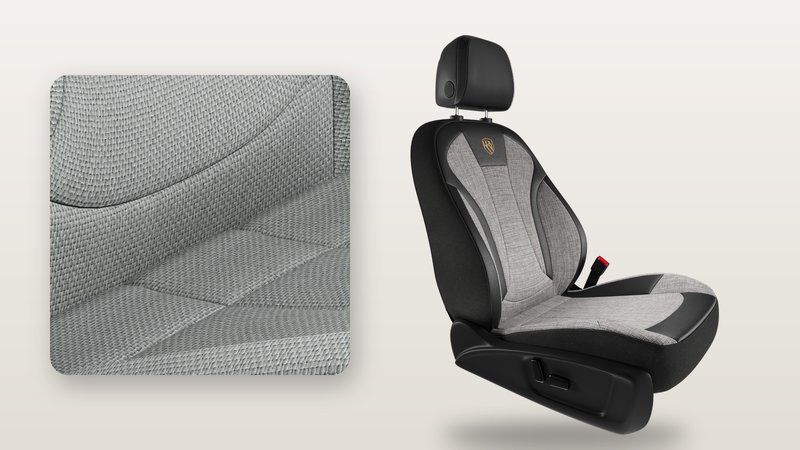
Seat Cover Cleaning: A Care Guide by Material

The inside of a car is a far more demanding environment than a sofa at home: sun, temperature swings, moisture brought in on rainy days, snacks eaten on the road and children in the back seat. Whether a seat cover keeps looking good for a long time depends largely on regular, correct care. In this guide we first cover the basic rules that apply to all materials, then the details for each material.
Basic rules for every material
- Act quickly: The sooner a spill is dealt with, the less likely it is to leave a mark.
- Blot, don't rub: Soak up the stain by pressing a clean, dry cloth onto it. Rubbing pushes the stain deeper into the fabric and spreads it.
- Test on a hidden spot first: Test the cleaner you plan to use on a small area on the underside or back of the cover.
- Use little water: There is a foam layer under the cover; too much water soaks in and dries slowly.
- Vacuum regularly: Dust and grains of sand gradually settle between the fibres and speed up wear through friction.
What do upholstery cleaning codes tell you?
The cleaning codes used for furniture upholstery also offer a good framework for thinking about cover care: W means water-based cleaners, S means only water-free, solvent-based cleaners, WS means either can be used, and X means vacuuming or professional cleaning only. If a product's label carries such a code, following it is the safest approach.
Care by material
Leather-look surfaces
The leather-look material used on the side bolsters and edges of our covers is the easiest surface to clean.
- Wipe with a slightly damp microfibre cloth, then dry.
- For stubborn dirt, add a small amount of mild liquid soap to lukewarm water; wring the cloth out well before use.
- Do not use alcohol wipes, bleach, acetone or similar solvents.
- Prolonged direct sunlight wears the surface; coated fabric manufacturers' bulletins also state that heat and moisture can break down the PU coating over time. That is why using a sunshade matters.
Linen
- Vacuum regularly.
- Blot the stain with a dry cloth first, then if necessary continue with a slightly damp cloth with mild detergent.
- Work from the edge towards the centre so the stain does not spread.
- Leave the doors ajar or air the car so it can dry.
Babyface and embroidered Babyface
- Use a soft brush attachment; stiff brushes can damage the texture of the pile.
- For pet hair, a lint roller or a slightly damp rubber glove works well.
- After cleaning, lift the pile in one direction with a soft brush.
- On embroidered models, clean between the stitches with the vacuum's crevice tool.
Jacquard fabric
Because the pattern in jacquard fabric is woven in during weaving, there is no worry about it rubbing off the surface as there is with printed fabrics. Even so, regular vacuuming for dust that collects on the tightly woven surface, and blotting with a slightly damp cloth for stains, are enough.
Lacoste fabric and Air File
The raised honeycomb texture of Lacoste fabric and the open knit of Air File can trap fine dust and crumbs. On these surfaces, regular cleaning with the vacuum's brush attachment is the most effective method. For stains, you can again blot with a dry cloth and then clean with a slightly damp cloth.
Common stains
- Coffee and tea: First blot with a dry cloth to absorb as much as possible, then repeat with a slightly damp cloth. Since sugary drinks can leave a sticky residue, go over the area one last time with a cloth dampened with clean water.
- Greasy stains (food, hand cream): Going straight in with water can spread the stain. First remove the excess with a dry cloth, then work by blotting with a damp cloth with mild detergent.
- Mud: Do not rub it while wet; let it dry, then brush and vacuum it, and remove any remaining mark with a damp cloth.
- Denim dye: On light-coloured leather-look surfaces, new jeans can leave blue marks. Wiping such marks promptly with a damp cloth and mild soap gives better results.
Tackling bad odours
Much of the odour inside a car comes from moisture trapped in the fabric. Wet clothes, an umbrella or a window left open on a rainy day can carry moisture into the foam under the fabric. Airing the car for a few hours when the cover gets wet, leaving the windows slightly open on a sunny day and not leaving wet items on the seats prevents most odour problems from the start. Masking odours with scented sprays is only a temporary solution, and some products can leave stains on the surface.
Common mistakes
- Scrubbing a stain hard with dry paper towel.
- Leaving the cover wet and the car closed up; this can lead to bad odours and mould.
- Using harsh household cleaning products without testing them first.
- Holding a steam cleaner on the same spot for a long time; the heat can damage the leather-look surface and the seams.
A practical care schedule
- Every week: Vacuuming and wiping leather surfaces with a damp cloth.
- Every month: Checking the fabric sections for stains and spot-cleaning if necessary.
- At the change of seasons: A more thorough clean, plus checking that the cover is sitting properly and that there is no bunching in the airbag area.
Final word
Short, regular care done the right way is far more effective than occasional intensive cleaning. If you are ever unsure about something regarding your cover's material, you can ask us via WhatsApp. If you are thinking about a new cover, you can explore the materials of models such as Hüma or Pera and try out colours on the Design Your Own page.